Innovation Incubators in Pakistan — Part 8 of 12 · By Sameer Sami, Founder & Principal Attorney, SAMI & SAMI (Attorneys-at-Law)
“A name like Sindhri mango or Himalayan pink salt is only Pakistan’s for as long as Pakistan claims it.”
Pakistan already owns some of the world’s most recognizable names — it has only recently begun to legally claim them. Under the Geographical Indications (Registration and Protection) Act 2020, Basmati Rice became Pakistan’s first registered GI in January 2021, partly in response to a competing claim India lodged in the EU.
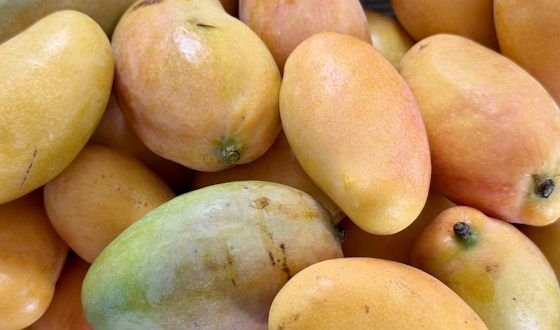
Later that year, the Ministry of Commerce approved a further ten products for GI registration, including Chaunsa and Sindhri mangoes, Kinnow, Hunza Ruby and several other gemstones. Other well-known products, such as Himalayan pink salt, Peshawari chappal, Sindhi Ajrak and Multani Sohan Halwa, are widely discussed as GI candidates.
Without registration, others can capture the value first — the long-running international disputes over who may use the name “Basmati” show how much is at stake.
Traditional knowledge is a related blind spot. Pakistan’s Unani Tibb herbal medicine industry is large and organized — tens of thousands of registered Hakims and many manufacturers, including Hamdard — yet this centuries-old medicinal knowledge remains largely undocumented as IP.
India’s experience is instructive: in 1997 the US Patent Office revoked a patent on turmeric’s wound-healing use after India documented it as prior art — but only because India had built the evidence to defend it.