
Overview
In Pakistan, GI protection is governed by the Geographical Indications (Registration and Protection) Act, 2020 and the Geographical Indications (Registration and Protection) Rules, 2020, and is administered by the Intellectual Property Organization of Pakistan (IPO-Pakistan).
A GI may relate to:
- agricultural products
- natural goods
- handicrafts and industrial products
The law provides protection against misuse, unfair competition, and false indication of origin, in line with international obligations under TRIPS.
GI Protection Framework in Pakistan
Pakistan operates a registration-based system for GI protection. Rights are granted upon registration and allow authorized users to prevent misuse, imitation, or misleading use of the geographical name.
The GI regime in Pakistan applies exclusively to goods, including:
- agricultural products
- natural goods
- manufactured and handicraft products
Unregistered GIs do not enjoy statutory protection, although limited remedies may be available under general unfair competition principles.
GI Registration Services
We provide end-to-end GI services, including:
- identification and eligibility assessment of GI products
- preparation of Book of Specifications
- drafting and filing of GI applications
- classification and product categorization
- representation during examination proceedings
- responding to objections and hearings
- opposition and cancellation proceedings
- registration and post-registration compliance
- cross-border protection and international strategy
- commercialization, licensing, and enforcement advisory
GI Registration Procedure in Pakistan (with Timeline)
Pre-Filing & Documentation
- identification of product and geographical origin
- preparation of Book of Specifications (mandatory)
- collection of technical, historical, and commercial evidence
- mapping of geographical area
Key documents include:
- application form
- Book of Specifications
- geographical map / territory description
- proof of origin and linkage to region
- details of producers / association
- Form of Authorization / Power of Attorney (PoA) duly executed (notarization not mandatory; original may be required by the Registry)
- supporting documentation (scientific, historical, commercial evidence
Filing of Application
- filing before the GI Registry (IPO-Pakistan)
- allocation of filing date and application number
Examination
- formality and substantive examination by the GI Registry
- issuance of objections, if any
Response & Hearing
- submission of written response to objections
- hearing before the Registrar (if required)
- acceptance upon satisfactory compliance
Publication
- publication in the GI Journal
- three-month period for third-party opposition (section 20)
Opposition Proceedings (if initiated)
- notice of opposition
- counterstatement by applicant
- evidence stage (affidavits and documents)
- hearings and final decision
Registration
- registration granted if:
- no opposition is filed; or
- opposition is resolved in favor of the applicant
Overall Timeline
- Smooth registration: approximately 10–18 months (our estimate)
- With opposition: may extend to 2–4 years (our estimate)
Classification of GIs
Geographical Indications are not governed by the Nice Classification system (used for trademarks).
Goods are categorized based on GI-specific classification, typically including:
- agricultural goods
- natural goods
- manufactured / handicraft goods
Foreign Geographical Indications
Foreign GIs can be registered in Pakistan only if protected in their country of origin.
- application must be filed through a local representative
- proof of protection in home country required
- subject to examination by IPO Pakistan
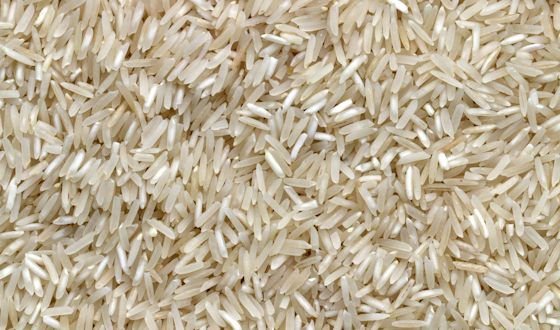
Famous Example: Basmati Rice (Pakistan–India – EU Context)
Basmati rice is a classic example of a transboundary GI, where:
- it is cultivated in both Pakistan and India
- historical cultivation spans across the Punjab region (shared geography)
- both countries claim GI protection internationally
In the European Union, disputes have arisen regarding exclusive rights, with Pakistan asserting that:
- Basmati is a shared cultural and geographical product
- exclusive registration by one country would misrepresent origin
This highlights the importance of strategic GI registration and international enforcement.
Cross-Border Protection & International Strategy
GI protection is territorial in nature. For international protection:
- registration must be obtained in each jurisdiction
- protection of Pakistani GIs abroad through registration in each target country
- enforcement depends on local laws of each country
A coordinated international strategy is essential for high-value GIs such as Basmati Rice.
Enforcement, Infringement & Litigation
Registered GIs provide enforceable rights against:
- unauthorized use of protected names
- misleading indications of origin
- imitation or evocation of GI products
Enforcement mechanisms include:
- civil litigation before competent courts
- injunctive relief and damages
- administrative actions
- customs and border enforcement (where applicable)
Commercialization & Licensing
GIs can be commercially leveraged through:
- authorized user frameworks
- licensing and collective rights management
- certification and branding strategies
- export market positioning and premium pricing
Legal Framework of Geographical Indications
Geographical Indications (GIs) in Pakistan are governed by a dedicated statutory and international legal framework that regulates their registration, protection, and enforcement.
National Laws
- Geographical Indications (Registration and Protection) Act, 2020, the primary legislation providing for the registration, protection, and enforcement of GIs in Pakistan.
- Geographical Indications (Registration and Protection) Rules, 2020 — the procedural framework governing filing, examination, opposition, registration, and post-registration compliance
The Pakistani GI regime applies exclusively to goods, including agricultural, natural, and manufactured products whose qualities, reputation, or characteristics are essentially attributable to their geographical origin.
International Framework
- TRIPS Agreement (WTO) — establishes minimum standards for the protection and enforcement of geographical indications among member states
- Paris Convention — provides principles relating to unfair competition and priority rights relevant to GI protection
Key Legal Principles
- GI protection is territorial, requiring registration in each jurisdiction for international protection
- Rights are granted through registration, enabling action against misuse and misleading use
- Protection is limited to goods, and does not extend to services
- Enforcement includes civil remedies, administrative actions, and border measures (where applicable)
Conclusion
Geographical Indications represent a powerful form of intellectual property that protects the unique identity, quality, and reputation of region-specific goods. In Pakistan, a structured legal framework supports the registration and enforcement of GIs, enabling producers and associations to safeguard their products and enhance their commercial value.
With increasing global recognition of origin-based products, effective GI protection both domestically and internationally has become essential for preserving heritage, preventing misuse, and strengthening market positioning. A well-planned registration and enforcement strategy ensures long-term benefits for stakeholders and contributes to sustainable economic growth.
Registered GIs of Pakistan
IPO-Pakistan's public register lists the following geographical indications, shown here for reference and education:
| No. | Geographical indication | Registered |
|---|---|---|
| 01-R | Basmati Rice | 21.01.2021 |
| 02-R | Hyderabad Bangles | 01.07.2022 |
| 03-R | Khewra Pink Rock Salt | 18.07.2022 |
| 04-R | Sargodha Kinnow | 03.01.2023 |
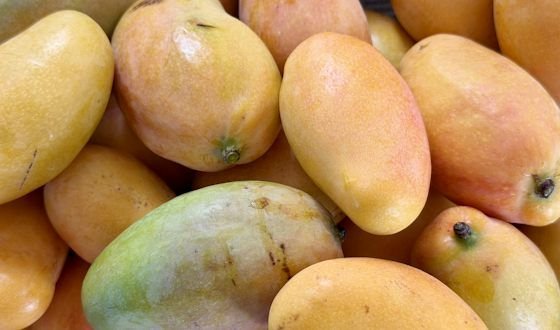
| 05-R | Chaunsa Mango | 03.01.2023 |
| 06-R | Sindhri Mango | 03.01.2023 |
| 07-R | Mouzawati Dates | 25.10.2023 |
| 08-R | Begum Jangi Dates | 25.10.2023 |
| 09-R | Aseel Dates | 02.11.2023 |
| 10-R | Dhakki Dates | 11.02.2023 |
| 11-R | Sindhi Ajrak | 20.05.2024 |
| 12-R | Multan Blue Pottery | 17.01.2024 |
| 13-R | Shoghori Pear | 12.06.2024 |
| 14-R | Gilgit-Baltistan Halman Apricot | 12.06.2024 |
| 15-R | Sharaqpur Guava | 08.07.2024 |
| 16-R | Sindhi Topi | 11.07.2024 |
| 17-R | Peshawari Chappal | 30.10.2024 |
Source: IPO-Pakistan, "Registered GIs of Pakistan" (accessed 23 October 2026).
Key statutory periods
- Opposition: within 3 months of advertisement of the application (section 20).
- Registration of a GI: perpetual (section 25(1)).
- Authorised users: 10 years from the filing date, renewable for further periods of 10 years (sections 23 and 25).
- Under the Act and Rules, the Federal Government owns GIs and appoints a public body as Registrant, which prepares the Book of Specifications; producers and operators register as Authorised Users with the Registrant's consent (Form GI-01).
Processing times shown in the steps above are our estimates, not statutory periods.
Recent development: Basmati in Australia
In a decision reported in August 2026, the Federal Court of Australia dismissed an appeal by India's Agricultural and Processed Food Products Export Development Authority (APEDA) against the refusal of its application to register "Basmati" as a certification trade mark for rice. The court upheld the finding that the word Basmati cannot distinguish APEDA-certified rice from other legitimately produced Basmati rice, applying section 177(2) of Australia's Trade Marks Act 1995. Pakistan's Ministry of Commerce welcomed the ruling. Basmati Rice has been registered as a GI in Pakistan since 21 January 2021.
Court decisions
Selected decisions on this area of law, linked to the published judgment. Summaries are general information, not legal advice, and may not reflect later appeals; please read the full text.
APEDA (India) appeal over BASMATI certification trade mark
As reported, the court dismissed the appeal of India’s APEDA against refusal of its application to register BASMATI as a certification trade mark in Australia, upholding the finding that the term cannot distinguish one authority’s certified rice.
Read the report ↗List checked on 23 October 2026. Sources: High Court of Sindh case law portal and published reports.

Discuss your matter with us
Tell us what you need. We will confirm receipt and keep you updated at every stage.