Innovation Incubators in Pakistan — Part 2 of 12 · By Sameer Sami, Founder & Principal Attorney, SAMI & SAMI (Attorneys-at-Law)
“Pakistan does not need to build these industries from zero — it needs to move them up the value chain.”
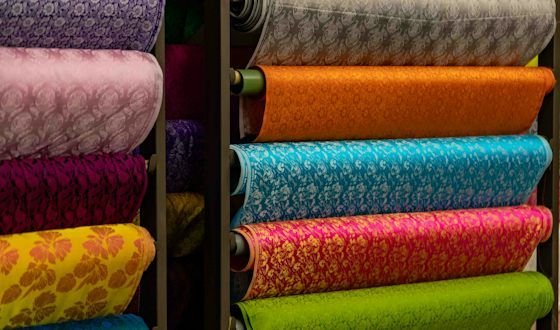
Pakistan already leads in several manufacturing categories that rarely get credit as innovation sectors. Textiles alone account for more than half of the country’s total exports — by some measures approaching 60% — and around 40% of its industrial workforce.
Sialkot, a single city, produces about 70% of the world’s hand-stitched footballs, and separately accounts for nearly all — around 99% — of Pakistan’s surgical instrument production, an export category worth roughly $400–500 million a year, according to industry figures.
These instruments are sold into the United States, Germany, the United Kingdom, and beyond. Leather goods, gloves, and sportswear round out the cluster. What is missing is not skill, but structure:
Textile & apparel incubators — to push producers from low-margin grey cloth into higher-value, branded, technical, and sustainable fabrics.
Sports goods & surgical instrument incubators in Sialkot itself — upgrading materials science, precision engineering, and quality certification so more workshops can sell under their own trademarks rather than as unbranded subcontractors.
Leather goods incubators — supporting design and tanning innovation for export-grade finished goods, not just raw and semi-processed hides.