
Innovation Incubators in Pakistan — Part 11 of 12 · By Sameer Sami, Founder & Principal Attorney, SAMI & SAMI (Attorneys-at-Law)
“Every country that became an innovation power first became a nation of patent filers.”
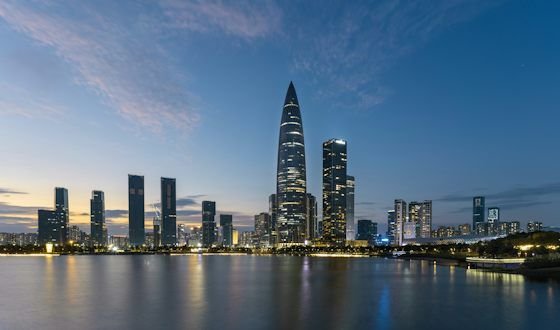
China: Shenzhen was once dismissed as a “shanzhai” copycat manufacturing town. It is now one of the world’s most prolific patent-filing cities, home to Huawei and ZTE — and in 2021 China’s patent office received 1.59 million applications, similar to the combined total of the next 12 offices, according to WIPO.
Huawei has been the world’s top filer of international (PCT) patent applications for years running, and China has built specialized IP courts; in 2024 Chinese courts concluded more than 540,000 IP cases.
Japan: Rebuilding from near-total industrial collapse after 1945, Japan grew at almost 9% a year for decades under government-industry cooperation (MITI). Sony, Toyota, and Honda moved from imitating Western products to patenting their own — helping Japan become the world’s second-largest economy by the late 1960s.
South Korea: For decades most patent filings in Korea came from foreign companies; that changed as firms such as Samsung began investing seriously in in-house R&D and Korean applicants overtook foreign ones. That shift underpinned Korea’s rise into the world’s top five patent-filing nations.
Germany: The Mittelstand — small and mid-sized manufacturers, many world or European leaders in narrow product niches — are a major source of Germany’s patents and exports.
One person: British inventor James Dyson built over 5,000 prototypes and patented cyclonic separation after being rejected by every major manufacturer. When Hoover copied his design, he sued — and won in the UK High Court in 2000. That single patent grew into a company now generating billions in annual revenue. Protecting one idea properly can change one life, or an entire nation.